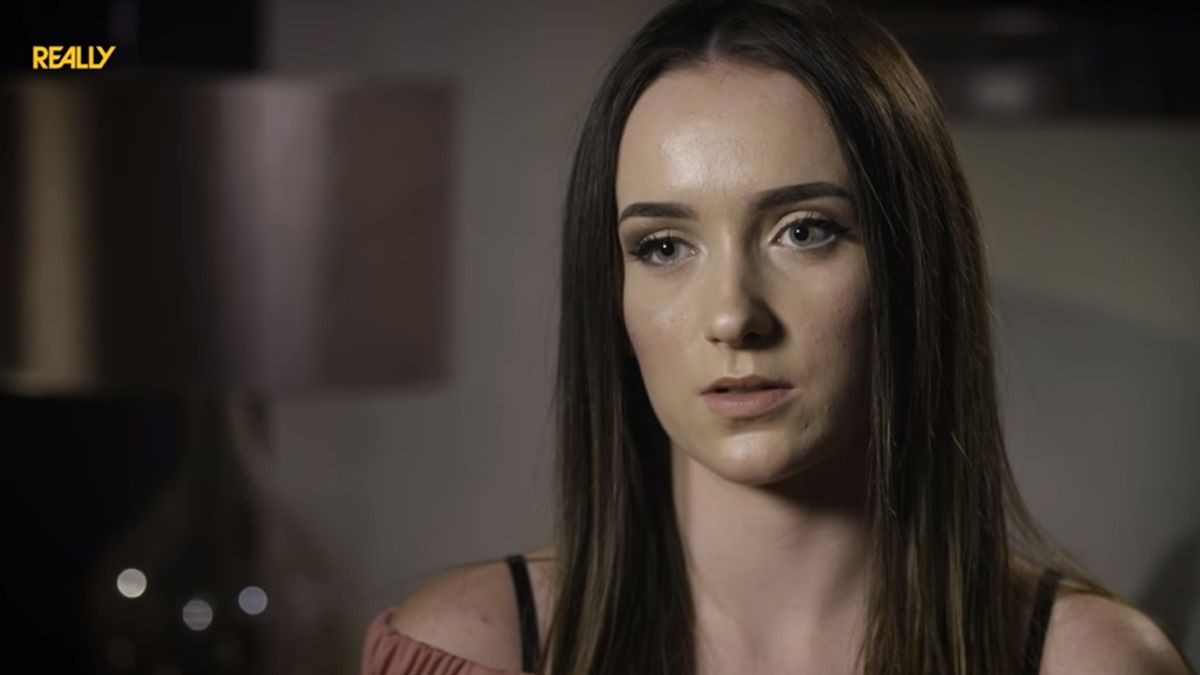
The name Ian Huntley sends shivers down the spine of a nation, synonymous with one of Britain's most horrific crimes – the abduction and murder of schoolgirls Holly Wells and Jessica Chapman in Soham in 2002. While the world grappled with the unspeakable evil committed by Huntley, few could imagine the private torment endured by those closest to him. For living with the killer's shadow is an unimaginable burden, a reality faced by Ian Huntley's daughter, Sammy Bryan. Her journey to uncover the truth about her biological father and the devastating impact it had on her life is a testament to the enduring ripple effects of such monstrous acts.
The Unthinkable Revelation: Sammy Bryan's Journey to Truth
Imagine being a typical teenager, navigating the complexities of adolescence, only to have your world shattered by a truth so dark it defies comprehension. This was Sammy Bryan's reality at the tender age of 17. Her mother, Katie, chose that pivotal moment to reveal a secret she had carried for years, one that would irrevocably alter Sammy's identity and future. The method of revelation was stark: a box overflowing with newspaper cuttings detailing the chilling Soham murders and, perhaps even more profoundly, the circumstances of Sammy’s own conception.
The contents of that box were a barrage of unspeakable horrors. Sammy discovered that her biological father was none other than Ian Huntley, the man convicted of luring 10-year-olds Holly Wells and Jessica Chapman to his home before brutally murdering them and disposing of their bodies in a remote ditch. But the devastation didn't stop there. She also learned that her existence stemmed from a horrific act of violence – her mother had been raped by Huntley. The clippings further revealed the abuse her mother endured, including being pushed down the stairs while pregnant with Sammy. "I thought I was ready," Sammy recounted, "About ten mins later [my mum] came back in and asked me how I was feeling and if I was OK and I couldn't stop crying." The sheer weight of the revelations, from her mother's suffering to the heinous crimes against Holly and Jessica, was overwhelming. "I can't really say there was anything more upsetting than the other, it was all very hard to read," she confessed, highlighting the indiscriminate trauma of the discovery.
The Soham Murders: A Nation's Nightmare
The disappearance of Holly Wells and Jessica Chapman on August 4, 2002, from a family barbecue in their quiet Cambridgeshire village, plunged Britain into a desperate search. The ensuing weeks saw widespread appeals, with Ian Huntley himself appearing in TV interviews and even joining search parties, all while orchestrating a cruel deception. He had coaxed his then-girlfriend, Maxine Carr, into providing a false alibi, an act that intensified public outrage when the truth emerged. Huntley was eventually jailed for life in 2005, with the judge condemning his "merciless cynicism" and "cruelty." For Sammy Bryan, this national tragedy was not just a news story; it was a deeply personal wound, a horrifying legacy etched into her very being by the man who gave her life.
Living in the Shadow: The Aftermath of a Father's Evil
The immediate aftermath of such a profound revelation is often a maelstrom of conflicting emotions: shock, grief, anger, and a deep sense of betrayal. For Ian Huntley's daughter, Sammy Bryan, these feelings were compounded by the unique burden of her parentage. She found herself grappling with an identity irrevocably linked to one of the country's most notorious criminals. The desire to keep her biological father's identity a secret was immense, driven by a natural fear of judgment, intrusive questions, and the potential for ostracization. "I didn't want people knowing who my biological father was because I knew certain people had known who he was and they'd ask a lot of questions so I just wanted it to be something I'd keep to myself," she explained, revealing the immense pressure she felt to protect herself from the fallout of her father's actions.
The psychological toll of carrying such a secret is immeasurable. Sammy navigated her late teenage years and early twenties knowing that a part of her lineage was synonymous with evil. This secret, while privately agonizing, also shaped her public interactions and personal relationships. Her emotional response to Huntley's lack of remorse, describing herself as "disappointed" rather than angry, speaks volumes about the complex emotional landscape she inhabited. It suggests a journey beyond simple rage, towards a more profound sense of emptiness where answers should be. This perspective offers a poignant insight into how children of notorious criminals often process their trauma, striving for understanding in the face of the incomprehensible.
Navigating Public Scrutiny and Personal Identity
For children linked to such infamous figures, the challenge of forging an independent identity is immense. There's a constant battle against being defined solely by their parent's crimes. This involves an active process of self-affirmation and, often, a conscious distancing from the perpetrator's narrative. Seeking professional psychological support can be crucial in processing trauma, developing coping mechanisms, and establishing a sense of self untainted by inherited guilt. Support groups and therapists specializing in familial trauma can provide invaluable guidance, helping individuals like Sammy Bryan understand that they are not responsible for the actions of their parents and have every right to build a life free from that shadow.
Seeking Closure: Confronting the Architect of Pain
As Sammy Bryan matured, the desire for answers from the source of her pain became an insistent force. Despite the initial shock and devastation, a deeper need emerged – to understand the 'why' behind her father's horrific deeds. This led her to make a brave decision: to write to Ian Huntley in prison. This act of reaching out, to the man who not only murdered two innocent girls but also raped her mother and became her biological father, demonstrates an extraordinary quest for truth and closure. Her subsequent appearance on Loose Women alongside her mother further highlighted her courage in sharing her incredibly personal story with a national audience.
However, Huntley’s response was as chilling as his crimes. He showed no remorse and steadfastly refused to offer any explanation for his actions. This callous indifference, while predictable to many, was still a crushing blow for Sammy. Her feeling of "disappointment" rather than anger speaks to the profound emotional void left by his lack of accountability. It underscores the ultimate futility of seeking genuine remorse from individuals devoid of empathy.
Now, at 25, Samantha Bryan (as she is also known) is reportedly seeking an even more direct confrontation. She has expressed a desire to meet Ian Huntley face-to-face in prison. This bold step reflects a deep-seated human need to look into the eyes of the perpetrator, to directly ask the questions that have haunted her for years, and perhaps, in that direct encounter, to find a form of closure that letters alone cannot provide. This pursuit of truth, even from a man synonymous with deceit and cruelty, is a testament to her resilience and unwavering determination to understand the origins of her own story. For more on her ongoing efforts, read Samantha Bryan Seeks Truth: Meeting Ian Huntley After His Crimes.
Beyond the Headlines: The Lasting Impact on Families
The tragedy of the Soham murders reverberated far beyond the families of Holly Wells and Jessica Chapman. It irrevocably altered the lives of everyone connected, including the family of the perpetrator. The concept of 'inherited trauma' or 'secondary trauma' is painfully real for individuals like Ian Huntley's daughter. They carry the psychological burden of a parent's horrific acts, often experiencing shame, guilt by association, and a distorted sense of self. Societal reactions can also be harsh, with individuals sometimes facing unfair judgment or prejudice simply because of their lineage.
For families caught in such a maelstrom, robust support networks are paramount. This includes not just professional therapeutic intervention but also the unwavering support of loved ones, friends, and sometimes, even strangers who offer empathy rather than condemnation. The story of Sammy Bryan and her mother, Katie, working through this together, sharing their pain and seeking answers, highlights the critical role of familial solidarity in the face of unimaginable adversity. Their public appearances, though undoubtedly difficult, serve as a powerful reminder that the human cost of such crimes extends far and wide, touching lives in ways the headlines often fail to capture.
Navigating the Unimaginable: Practical Considerations for Coping
For anyone in a similar situation to Ian Huntley's daughter, the path to healing and self-acceptance is arduous but not impossible. Here are some practical tips and insights for navigating such profound challenges:
- Seek Professional Help: Therapists specializing in trauma, identity, and complex family dynamics can provide essential tools for processing emotions, managing anxiety, and building resilience. Cognitive Behavioral Therapy (CBT) or Eye Movement Desensitization and Reprocessing (EMDR) can be particularly helpful.
- Build a Strong Support System: Lean on trusted friends, family, or support groups. Sharing your story in a safe, confidential environment can alleviate feelings of isolation and shame.
- Define Your Own Identity: Consciously work to separate your identity from your parent's actions. Your worth and character are not determined by your lineage. Focus on your own values, accomplishments, and aspirations.
- Set Boundaries: It's crucial to set firm boundaries with media, inquisitive individuals, or anyone who seeks to define you by your parent's past. You have the right to privacy and to control your own narrative.
- Consider Legal Options: In some cases, individuals may choose to change their name or take other legal steps to create a further distinction from their biological parent.
- Engage in Advocacy (Optional): For some, turning their experience into a platform for advocacy or education can be a powerful way to reclaim their narrative and help others.
Remember, the child of a notorious criminal is a survivor, not an accomplice. Their journey is one of immense courage and an ongoing pursuit of peace, understanding, and self-acceptance.
The story of Sammy Bryan, Ian Huntley's daughter, is a poignant illustration of the far-reaching and devastating consequences of extreme violence. Her courageous decision to uncover her father's horrific past, coupled with her ongoing quest for truth, speaks volumes about the human spirit's resilience. It's a powerful reminder that behind every sensational headline, there are individuals grappling with unimaginable pain, fighting to reclaim their lives from the shadow of evil. Her journey serves not only as a testament to her strength but also as a crucial insight into the profound, enduring impact of crime on all who are touched by it.